


Aseptic Filling Lines
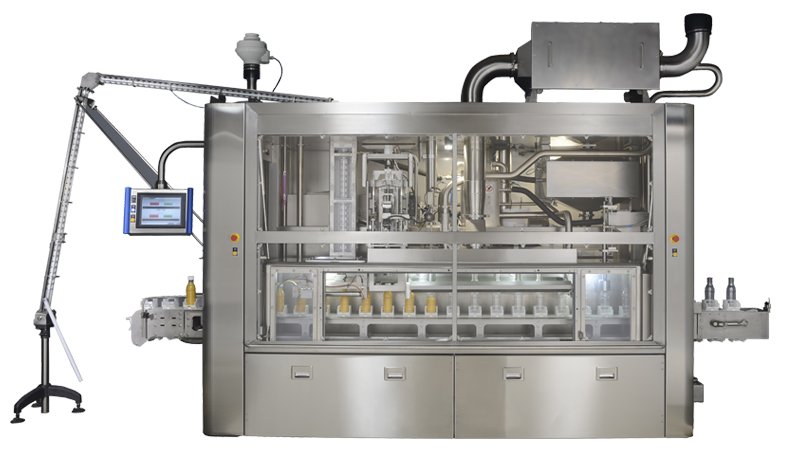
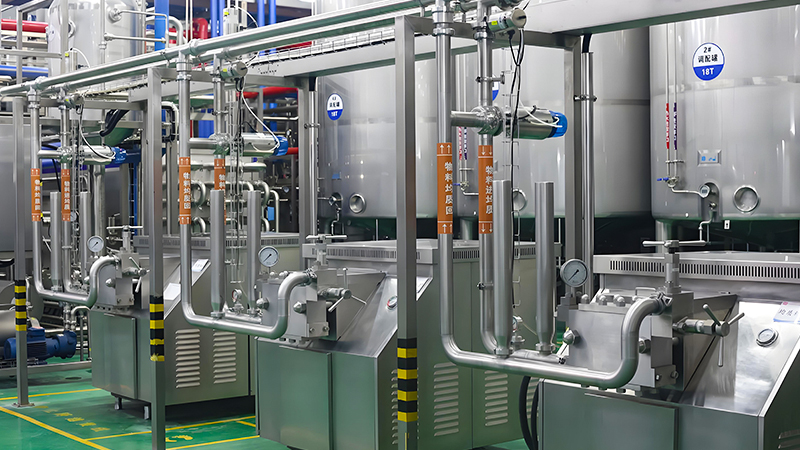
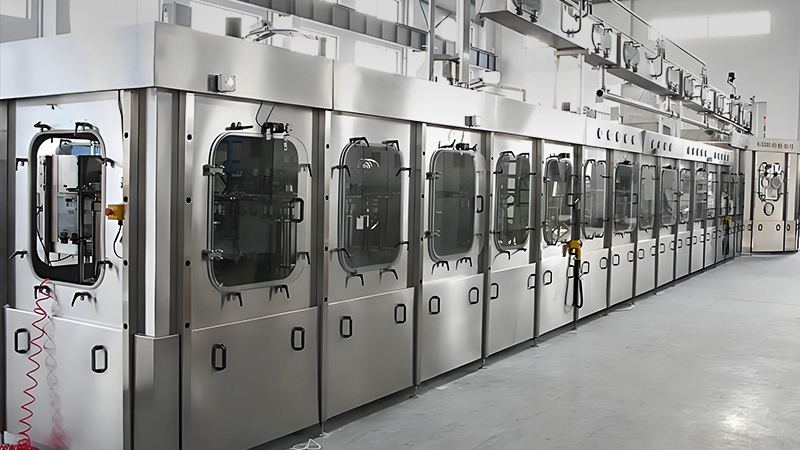
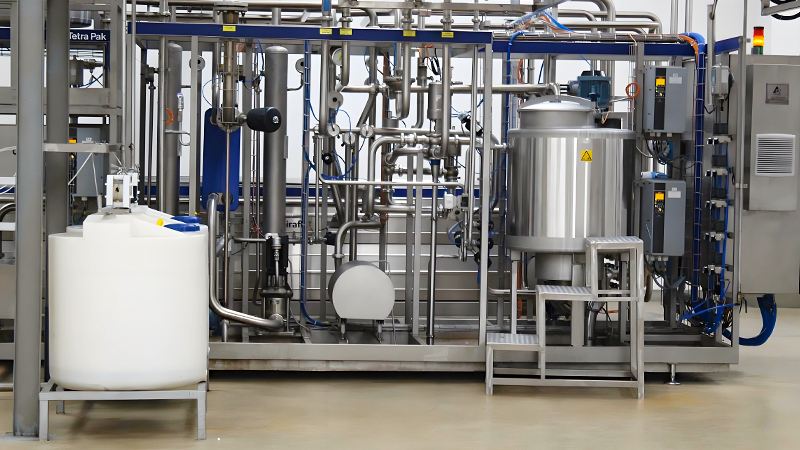
The product is first sterilized, typically using an Ultra-High Temperature (UHT) or High-Temperature Short-Time (HTST) process, which heats the liquid to a high temperature for a few seconds and then rapidly cools it. This step effectively eliminates all microorganisms without significantly damaging the product's quality.
Simultaneously, the packaging materials—preforms or bottles—are sterilized using methods like hydrogen peroxide (H₂O₂) vapor, peracetic acid, or intense UV light.
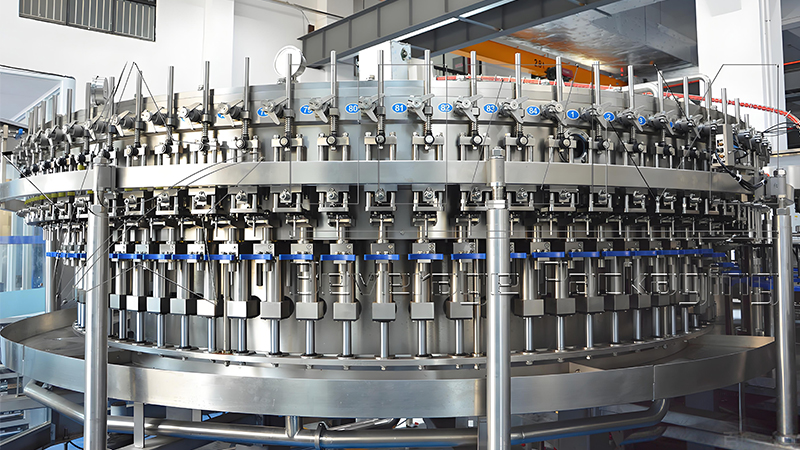
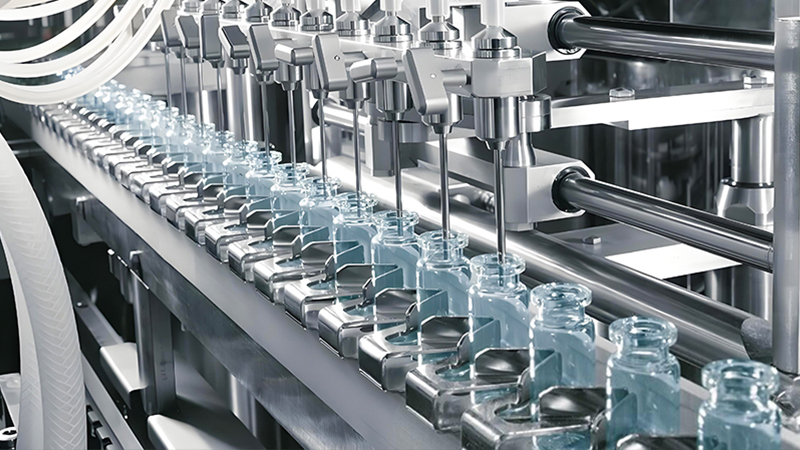
The sterile product and sterile containers then meet inside a sterile, positive-pressure chamber where the filling and capping take place, preventing any recontamination from the outside environment.
An aseptic filling line offers unparalleled product quality and safety. Its primary applications include:
▪ Dairy and Plant-Based Milk: Such as fresh milk, cream, soy milk, and almond milk.
▪ Juices and Nectars: Especially those that are heat-sensitive and benefit from a fresh taste.
▪ Liquid Nutritional Drinks and Protein Shakes.
▪ Still Beverages and Ready-to-Drink (RTD) Teas and Coffees.
By ensuring that the product and package are sterilized separately and combined in a contaminant-free environment, an aseptic filling line offers unparalleled product quality and safety. It is a strategic investment for brands aiming to enter new markets, extend product distribution, and meet consumer demand for natural, preservative-free beverages with a superior flavor profile.